Walking After a Broken Ankle: How to Rebuild Your Walking Safely Once You're Cleared
July 11, 2026
A pacing guide for relearning to walk after a broken ankle once your doctor has cleared you, covering session length, confidence, and gradual distance.
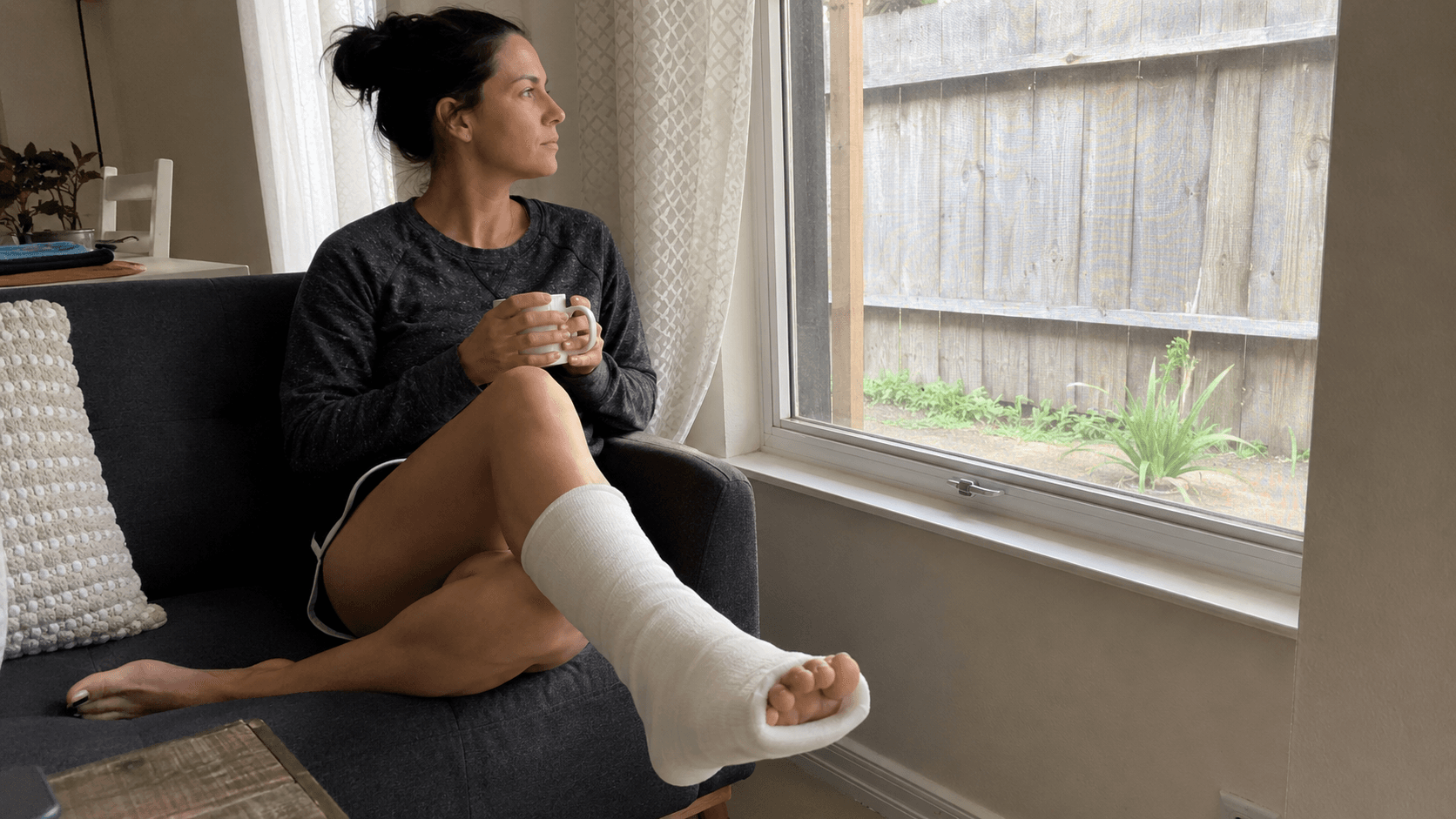
Getting cleared to walk again after a broken ankle is supposed to feel like the finish line. For a lot of people it doesn't. You've spent weeks in a cast or boot, you finally get the go-ahead, and your ankle still doesn't want to cooperate the way you expected. That gap between "you're cleared" and "you're walking normally" is real, and it's what this guide is about.
This isn't about when you're allowed to bear weight or how long your specific fracture takes to heal. Those decisions belong entirely to your surgeon or physical therapist, since they depend on your fracture type, your X-rays, and your individual healing. What we're covering here is the same pacing approach we cover in our general guide to walking after surgery: what to do with the walking itself once you've been given the green light, how to pace it, how to know you're not overdoing it, and how to rebuild confidence in a joint that's been immobilized for weeks.
Why it feels harder than it should
Weeks in a cast or boot means real muscle loss, not just rustiness. The muscles that stabilize your ankle have been doing very little work, and they come back slower than the bone does. According to OrthoInfo, the patient education site of the American Academy of Orthopaedic Surgeons, it can take several months for the muscles around the ankle to get strong enough to walk without a limp, even after the fracture itself has healed.
There's also a psychological piece that's just as real as the physical one. Your nervous system spent weeks treating that ankle as fragile, and it doesn't switch that off the moment a doctor clears you. Feeling nervous about putting weight on it, even when you know it's healed, isn't in your head. It's a completely normal part of how the body relearns trust in a joint.
Start short, not far
The instinct after weeks of restriction is to make up for lost time, to go for a real walk the first chance you get. Resist that. Early walking sessions work better when they're short and deliberate rather than an attempt to get back to your old routine in one go.
Think in terms of a session, not a distance goal. A few minutes at a time, on flat and familiar ground, focused entirely on how your ankle feels rather than how far you're going. This is exactly the kind of structure WalkReady is built around: short, session-based walks rather than open-ended outings, so you're paying attention to pacing instead of trying to hit a number.
Reading your own signals
You don't need a clinical background to tell the difference between normal fatigue and a warning sign, but it does take paying attention. General muscle tiredness, mild stiffness, or the ankle feeling "aware" after a session are typical as you rebuild strength and range of motion. Sharp pain, new swelling, or pain that gets worse instead of better as a session goes on are not things to push through. If you notice those, stop the session and bring it up with your surgeon or physical therapist rather than trying to interpret it yourself. This article can help you structure the walking; it can't tell you whether a specific sensation is a problem, and it shouldn't try to.
Easing off assistive devices
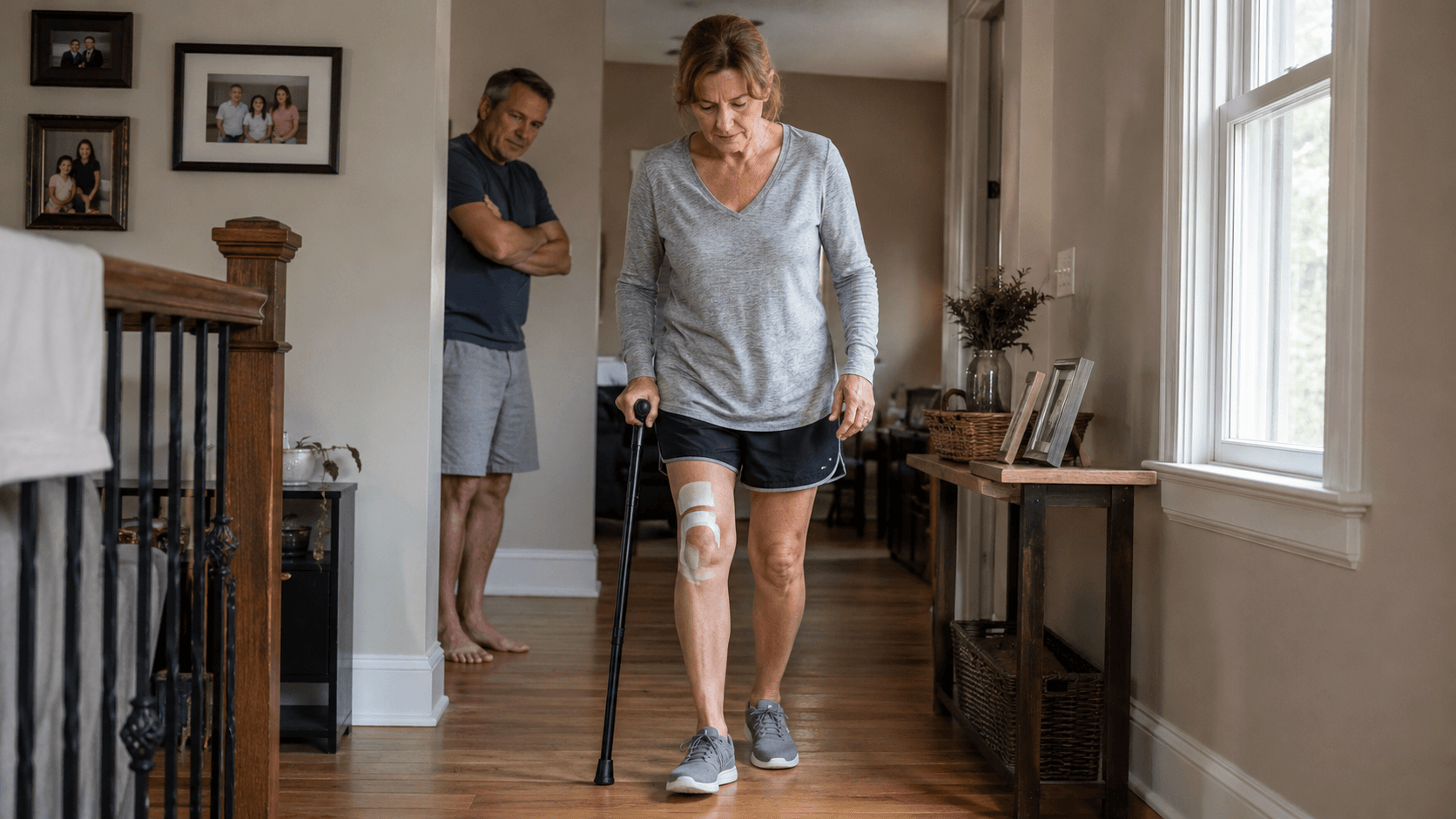
Most people move from crutches or a cane to walking unassisted in stages, not all at once. That transition is guided by your care team based on your specific healing, not by a fixed calendar, so there isn't a universal timeline to offer here. What's worth planning for is that this stage doesn't need to be linear. Some days you might feel steady enough to leave the cane behind for a short session and want it back the next day, and that's a normal part of rebuilding confidence, not a setback.
Building distance back gradually
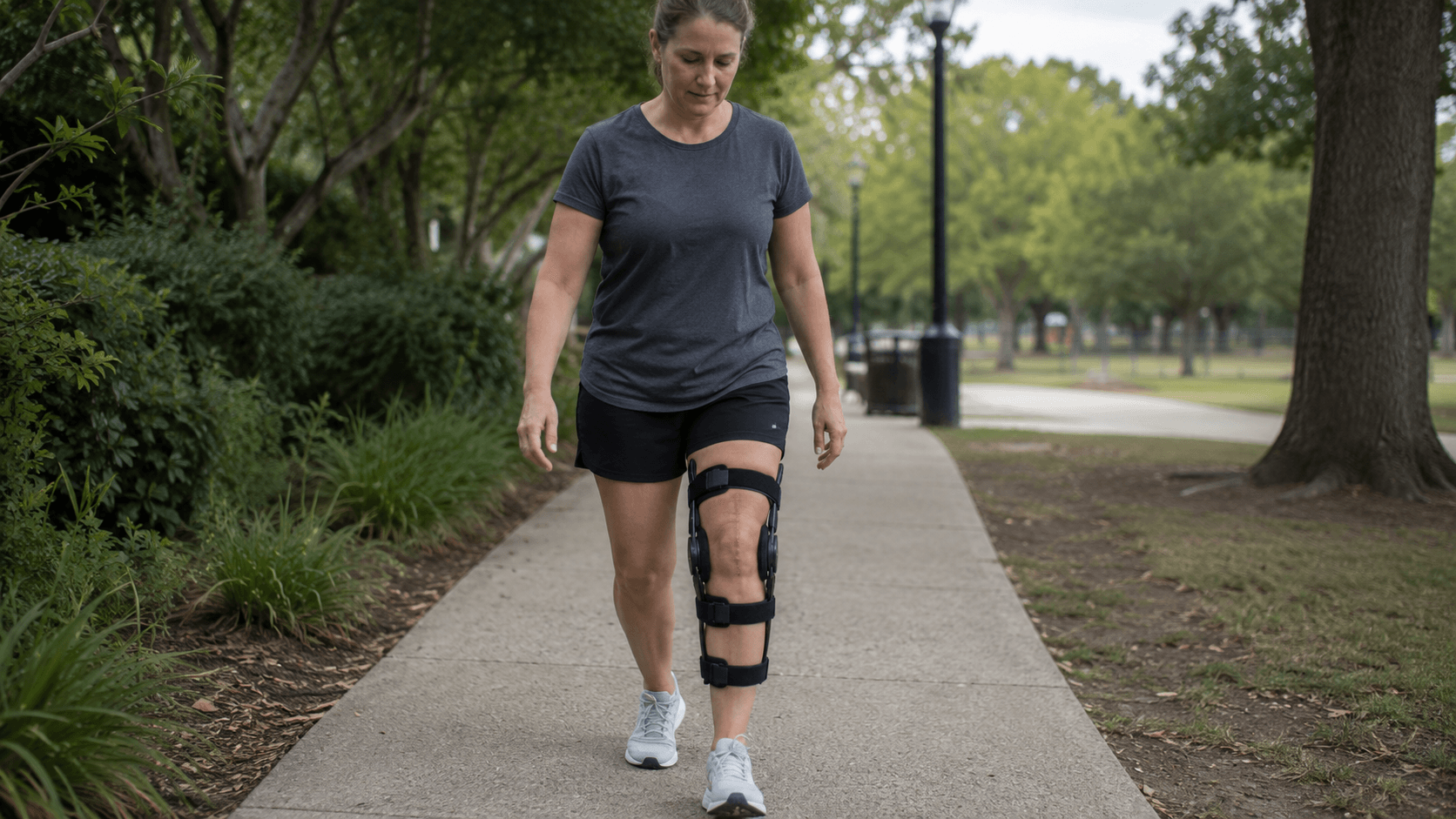
Once short sessions feel manageable, distance can grow, but gradually and session by session rather than on a rigid day-by-day schedule. A reasonable pattern is to hold a comfortable session length for a few days before adding a small amount of time or distance, watching how your ankle responds each time you increase. If a longer session leaves you more sore or less stable the next day, that's useful information to scale back on, not a reason to push through.
Where WalkReady fits
This kind of cautious, incremental rebuilding is exactly what WalkReady's session-based structure is designed for. Each walk is its own contained session with a halfway-point check-in, so you're never left guessing whether you should turn back or keep going. It's built for the exact situation this article describes: not a fitness routine, but the specific, careful work of learning to trust a joint again.