Walking After Hernia Surgery: Pacing Your Recovery the Gentle Way
June 24, 2026
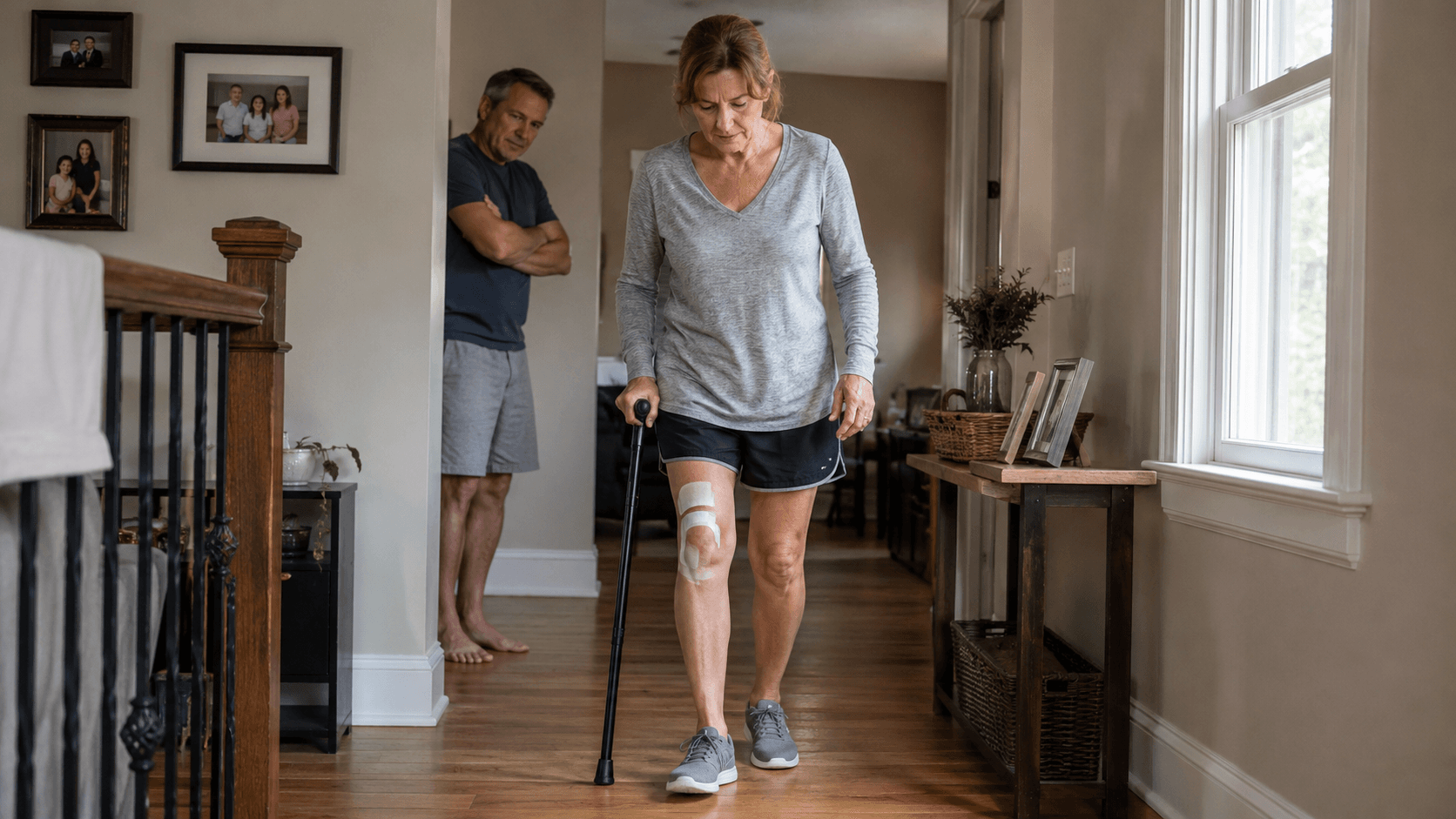
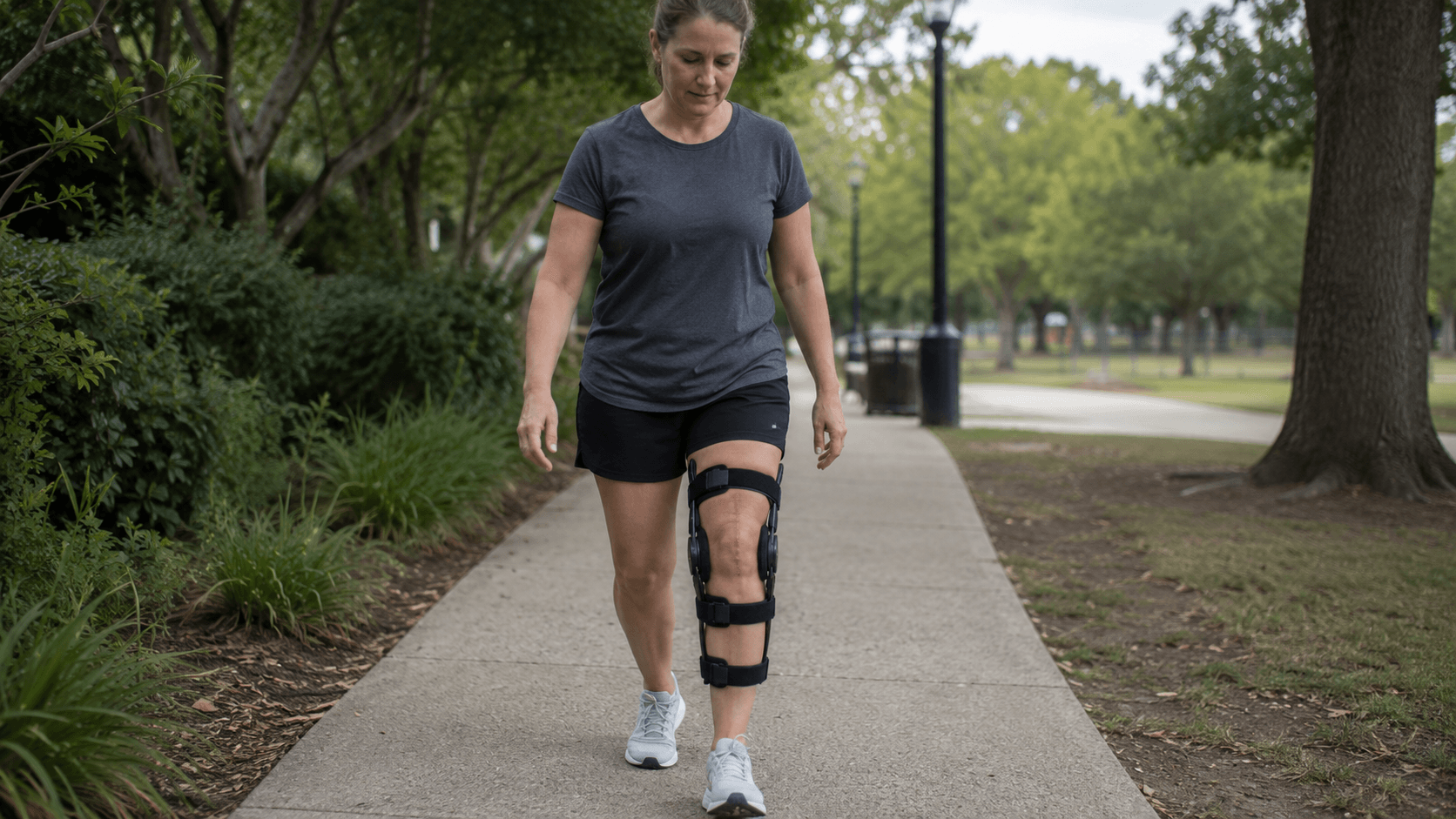
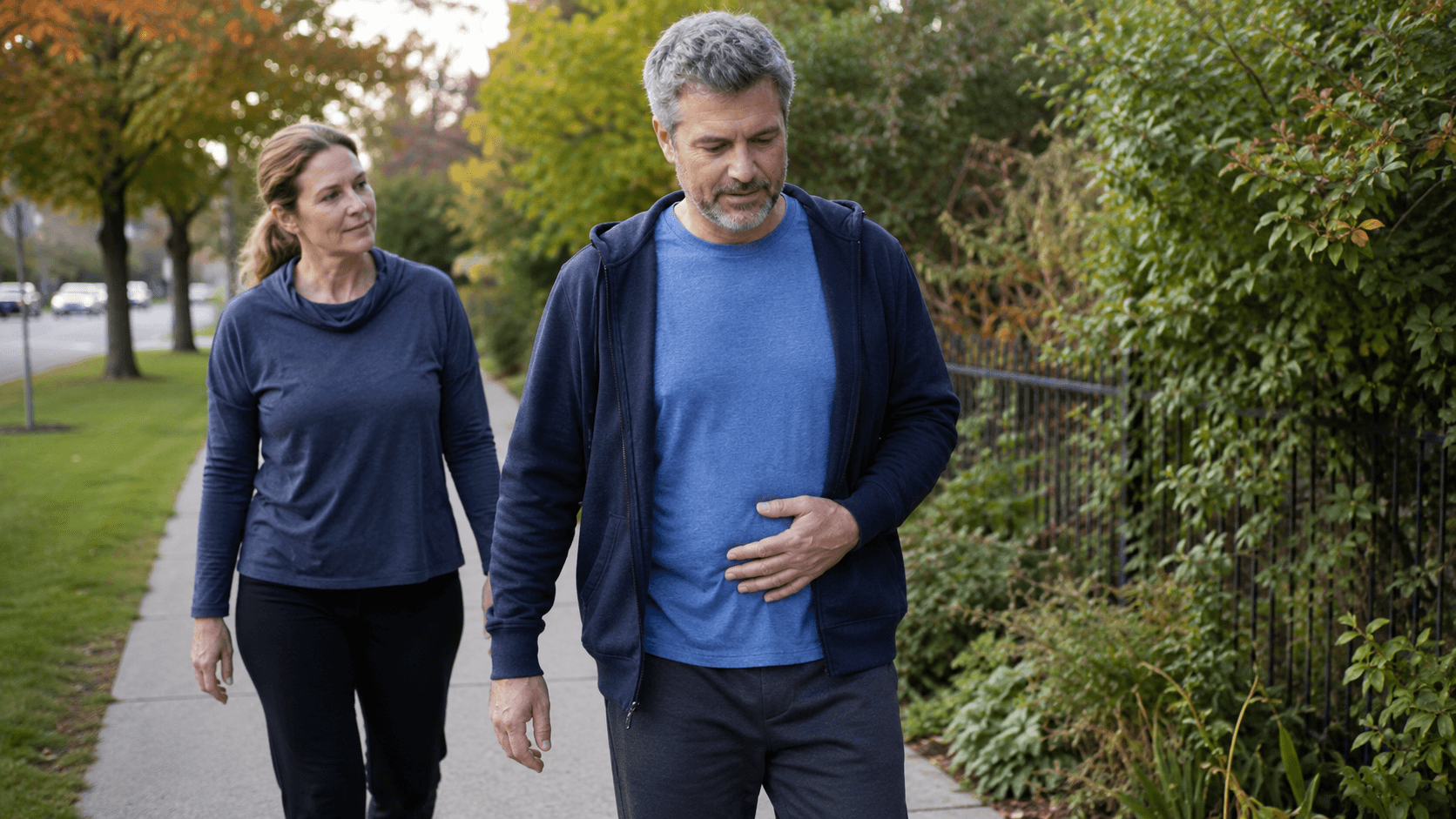
Walking is one of the most encouraged parts of hernia surgery recovery, but pacing it well matters, because overdoing it can strain the repair. Here is how to rebuild your walking gently, within the limits your surgeon sets.
If you have had hernia surgery and you are wondering about walking, here is some genuinely good news to start with: walking is one of the most encouraged parts of hernia recovery. Gentle movement is something surgeons actively want most patients doing early, because it helps the body heal.
But there is a balance to it that matters more after hernia surgery than after some other procedures. Gentle walking helps, while pushing too hard or straining can work against the repair. So the real skill is not just walking. It is pacing the walking the gentle way, building it back up without overdoing it. That is what this guide is about.
One honest note before we go further. When you can start, how far you can go, and when you can do more are decisions your surgeon makes, based on your specific repair, the type of hernia, whether your surgery was open or laparoscopic, and how you are healing. This article does not give you those numbers, and you should follow your surgeon's guidance over anything you read here. What this guide helps with is how to pace the walking well once you are within the limits they have given you.
When and how much is your surgeon's call
Walking after hernia surgery follows guidance that is specific to you. The type of hernia, the kind of repair, whether mesh was used, and your own healing all shape when you start and how quickly you progress. Two people who had hernia surgery in the same week can be given different timelines, and both can be right for their situation.
So the timing questions, when to take your first walks, how far, when to add more, are questions for your surgeon and care team. They will tell you what is appropriate for your repair. What follows assumes you have their guidance and are working within it. Inside those limits, the question becomes how to pace your walking well, and that is where this guide lives.
Why gentle walking is the good kind of movement
It helps to understand why walking is so consistently encouraged after hernia surgery, because it makes the pacing easier to get right.
Within the limits your surgeon sets, gentle walking does a lot of good. It keeps your blood circulating, which supports healing and helps reduce the risk of complications that come with lying still too long. Health authorities note that keeping moving after surgery helps the blood circulate and makes it harder for clots to form, which is one of the main reasons gentle movement is encouraged so early. It eases the stiffness that builds up after surgery. It helps your body wake back up and start moving normally again. And it helps with one specific and very common post-surgery problem: the constipation that pain medication and reduced activity tend to cause. Gentle movement gets things moving again, which is a real and welcome relief for a lot of people in recovery.
This is the kind of movement that helps you heal. It is different, though, from the kind of movement that can work against you, and understanding that difference is the heart of pacing after hernia surgery.
The pacing balance that is specific to hernia recovery
Here is what makes hernia recovery a little different from some other recoveries: the same activity, done gently, helps, and done too hard, can risk the repair.
A hernia repair reinforces a weakened area, and that area needs time to heal and strengthen. Gentle walking does not stress the repair. But straining, pushing into pain, lifting too much, or doing too much too soon can put pressure on the surgical site, and that is genuinely something to avoid while you are healing. This is why surgeons are careful about activity limits after hernia surgery, and why pacing matters here in a way that is worth taking seriously.
The reassuring part is that walking, done the gentle way, sits firmly on the helpful side of that line. The goal is to keep your walking in the zone that supports healing and never let it tip into strain. You are not trying to push your limits or test your recovery. You are doing the gentle, steady movement that helps, and leaving the rest for later when your surgeon clears it.
To be clear about where the line is: the specific limits on lifting, exertion, and activity are your surgeon's to set, and they are based on your repair. What this article offers is the pacing principle that keeps your walking on the right side of that line, which is to stay gentle, stay within comfort, and never push into strain at the surgical site.
How to pace your walking as you rebuild
Within your surgeon's guidance, a few simple principles make the rebuild go well. They are the same principles that guide pacing your recovery after any surgery, applied to the particular care a hernia repair needs.
Start short and frequent rather than long. A few brief, gentle walks spread through the day are easier on a healing body than one longer effort. Short and often is the rhythm most recoveries do best with early on.
Let comfort guide you. Your walking should feel gentle and should not cause pain or pulling at the surgical site. Comfort is the signal that you are in the right zone. If a walk feels easy and you recover from it well, that is the sign things are going as they should.
Increase gradually. As you heal and your surgeon clears more activity, you can slowly extend how far and how long you walk. The key word is slowly. Adding a little at a time and seeing how your body responds is far better than jumping ahead and discovering you did too much.
Treat rest as part of recovery, not the opposite of it. Healing happens while you rest, and pacing your walking means giving your body the recovery time it needs between sessions. Doing less than you think you can, especially early, is often the wiser choice. The guide on walking too much after surgery goes deeper into finding that balance and recognizing when you have crossed it.
Signs you are doing too much
Your body will tell you when a walk was more than it was ready for, and the signals usually show up during or after the walk rather than before.
Pain at the surgical site during or after walking is the clearest sign to stop and ease back. So is discomfort that lingers or worsens in the hours after a walk rather than settling. Any pulling or straining sensation at the repair is a signal to slow down. And a general sense that you overdid it, more fatigue or soreness than the activity should have caused, is worth listening to.
With hernia recovery especially, it is worth being cautious rather than pushing through. Because the repair is the thing being protected, anything that feels wrong at the surgical site is worth taking seriously, and easing back is never the wrong call. If you notice pain, swelling, or anything concerning at the incision or the repair, that is a reason to contact your surgeon, not something to walk through.
Tracking your walking through recovery
A simple habit that helps a lot during hernia recovery is keeping track of your walking: how long, how far, and how you felt during and after each walk.
That record does a few useful things. It shows you progress that is real but easy to miss when recovery feels slow day to day. It helps you notice patterns, like whether a certain length of walk consistently feels good or consistently leaves you sore, which tells you where your comfortable limit is right now. And it gives you something concrete to share at your follow-up appointments, which is more helpful to your care team than trying to remember how the past couple of weeks went.
WalkReady is built for exactly this. You log each walking session and how it felt, and over time you see the trajectory of your recovery, whether your walking is building steadily and comfortably the way you want it to. It is not a step counter pushing you toward a daily goal. It is a tool for pacing a careful recovery and seeing that the rebuild is going in the right direction.
When to check with your care team
Some things are worth a call to your surgeon rather than working through on your own. Pain at the surgical site that increases rather than improving, swelling or changes at the incision, any pulling or bulging sensation at the repair, or anything that simply does not feel right are all worth reporting.
You are not being overly cautious by checking. With a hernia repair, the surgical site is exactly what the recovery is protecting, so catching a concern early is far better than waiting. Your surgeon would rather hear from you than have you wonder. For anything about the repair itself, the activity limits, or whether something you are feeling is normal, your care team is the right source, not an article.
How WalkReady helps
WalkReady was built for the stage you are in: cleared to start moving, wanting to rebuild your walking, and needing to do it gently without overdoing it.
The app works in sessions rather than counting steps all day. You start a session when you walk, end it when you are done, and note how it felt. Over time, those sessions add up to a clear picture of your recovery that helps you pace yourself and gives your care team useful information about how your walking is coming along between visits.
It does not replace your surgeon's guidance or the limits they set for your repair. It supports the walking part of your recovery, helping you build back up gradually and see your progress as you go.
WalkReady is free to use, with no account required to get started.